Tax-Exempt Status: A 2025 Guide for U.S. Nonprofits
In the nonprofit world, staying compliant with IRS rules is just as important as fulfilling your mission. One of the most valuable tools available is tax-exempt status. It helps lower your financial burden and encourages public donations. However, keeping this status means meeting certain responsibilities.
Understanding What Tax-Exempt Status Means
To begin with, tax-exempt status under Section 501(c)(3) of the IRS Code means the IRS recognizes your nonprofit as serving a charitable, educational, religious, or similar purpose.
As long as your income supports that mission, you don’t have to pay federal income taxes. Additionally, donors can deduct their contributions on their tax returns, which often encourages more giving.
How to Apply for Tax-Exempt Status
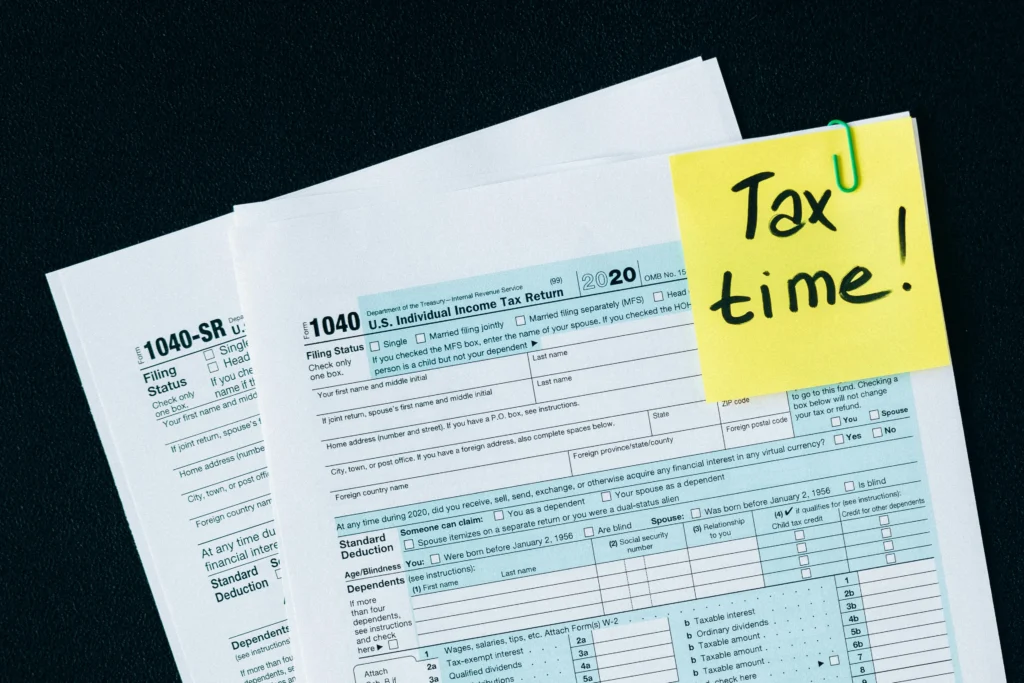
To apply, your organization must file an application with the IRS. Typically, larger nonprofits use Form 1023, while smaller ones earning under $50,000 annually can file Form 1023-EZ.
After submission, the IRS reviews your mission, leadership structure, and financial plans. If your application meets their standards, you’ll receive tax-exempt approval.
However, approval is just the start. You’ll need to meet ongoing IRS rules to maintain your status.
Key Tax Compliance Requirements for 2025
Looking ahead to 2025, the IRS is increasing oversight—especially for nonprofits using digital fundraising platforms like PayPal, Venmo, or mobile apps.
Because of this, you must maintain accurate records of every donation. If you generate income from activities unrelated to your mission—such as renting space or selling products—you may owe taxes on that income.
Additionally, your financial reports must remain transparent. Therefore, forms like the 990 must be filed accurately, on time, and should clearly show how your organization spends its funds.
Mistakes That Could Jeopardize Your Status
Several errors could lead to the loss of your tax-exempt status.
First, if you fail to file Form 990 for three years in a row, the IRS will automatically revoke your status. Second, using donations for personal expenses or unrelated business activities can trigger audits or penalties.
Even more importantly, 501(c)(3) nonprofits cannot engage in political campaigning. That means no endorsing candidates or making campaign donations. Doing so may result in heavy consequences or loss of your exemption.
Steps to Stay Compliant
Fortunately, staying compliant is possible with a few smart steps.
Start by keeping clean and up-to-date financial records. Track all income and expenses. Work with a tax professional who understands nonprofit rules. They’ll help you avoid costly mistakes.
Additionally, make sure your board and leadership team understand their roles in compliance. Offer training when needed. When everyone stays informed, your nonprofit runs more smoothly and stays focused on its mission.
In Conclusion
Tax-exempt status allows your nonprofit to grow, attract more donors, and build long-term trust. However, maintaining it requires consistent attention and effort.
By understanding IRS rules, filing required forms, and staying organized, you protect your nonprofit’s future. Most importantly, you stay focused on what really matters—your mission.
Need help with nonprofit compliance or financial management? We’re here to assist. From filing Form 990 to handling your books and answering IRS questions, we take care of the numbers so you can take care of the impact.
Let’s talk. Schedule your free consultation today.