As your business grows, manual data entry becomes not only time-consuming but also prone to errors. That’s exactly why embracing automated bookkeeping for accounting is no longer optional—it’s essential. With the right tools, you can simplify your finances, save valuable time, and make smarter business decisions.
1. Why Automated Bookkeeping for Accounting Matters
To begin with, businesses that rely on spreadsheets and manual tracking often struggle to stay up to date. However, by switching to automated bookkeeping for accounting, you eliminate repetitive tasks, reduce mistakes, and gain real-time financial insights. Additionally, automation helps you meet deadlines with ease, which improves both compliance and cash flow.
2. Top Tools That Simplify Automated Bookkeeping for Accounting
Although many software platforms are available, a few stand out when it comes to automated bookkeeping for accounting. For instance, QuickBooks Online is ideal for small businesses needing smart categorization and bank feed automation. Meanwhile, Xero offers strong integration options, and Wave provides a free option for startups. Whichever you choose, these tools make automation accessible without sacrificing accuracy.
3. How Automated Bookkeeping for Accounting Saves Time
In most cases, time is a business owner’s most limited resource. Fortunately, automated bookkeeping reduces the hours spent on data entry, bank reconciliations, and invoice tracking. Not only that, but many tools also send real-time alerts and generate reports automatically—helping you make informed decisions faster.
4. Security and Compliance in Automated Bookkeeping for Accounting
Beyond efficiency, security plays a huge role in financial management. Thankfully, most platforms that support automated bookkeeping for accounting come with built-in encryption and two-factor authentication. Furthermore, they are regularly updated to comply with financial regulations, making your data safer and more audit-ready than manual systems.
5. Getting Started with Automated Bookkeeping for Accounting
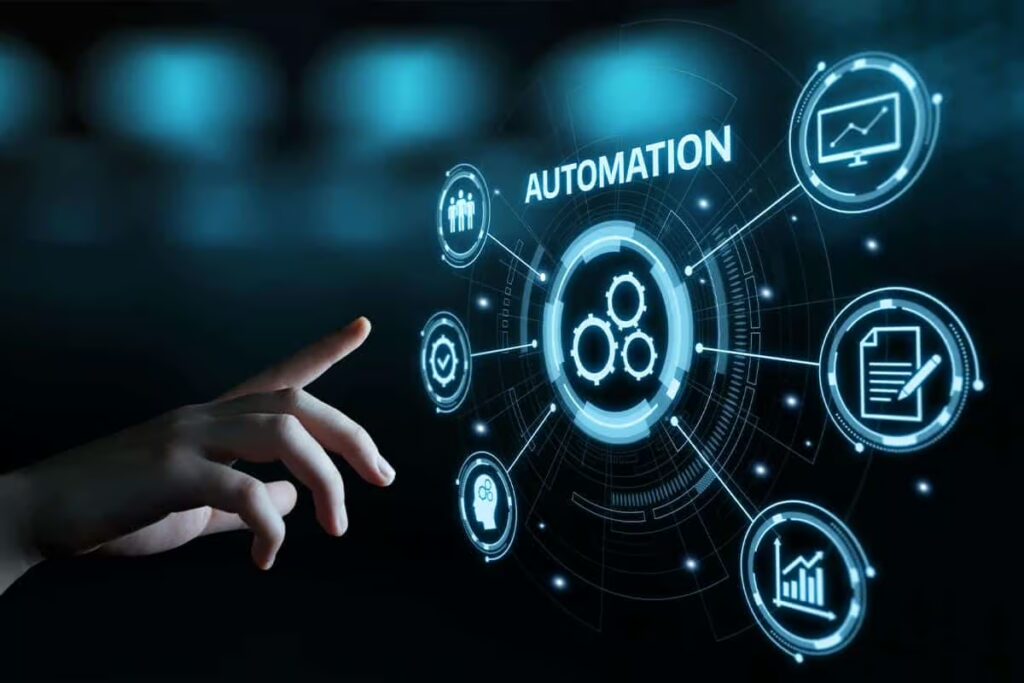
Even if automation sounds intimidating at first, the transition is easier than you might think. Many tools designed for automated bookkeeping for accounting come with simple onboarding, helpful tutorials, and user support. Plus, by starting small—such as automating invoice matching or bank feeds—you can gradually scale up without overwhelming your team.
Conclusion: Take Charge with Automated Bookkeeping for Accounting
All in all, automated bookkeeping for accounting offers a smarter way to manage your finances. Whether you’re a solo entrepreneur, a startup founder, or a growing company, the right automation tools can save time, reduce errors, and give you peace of mind. So rather than drowning in spreadsheets, it’s time to let technology do the heavy lifting.